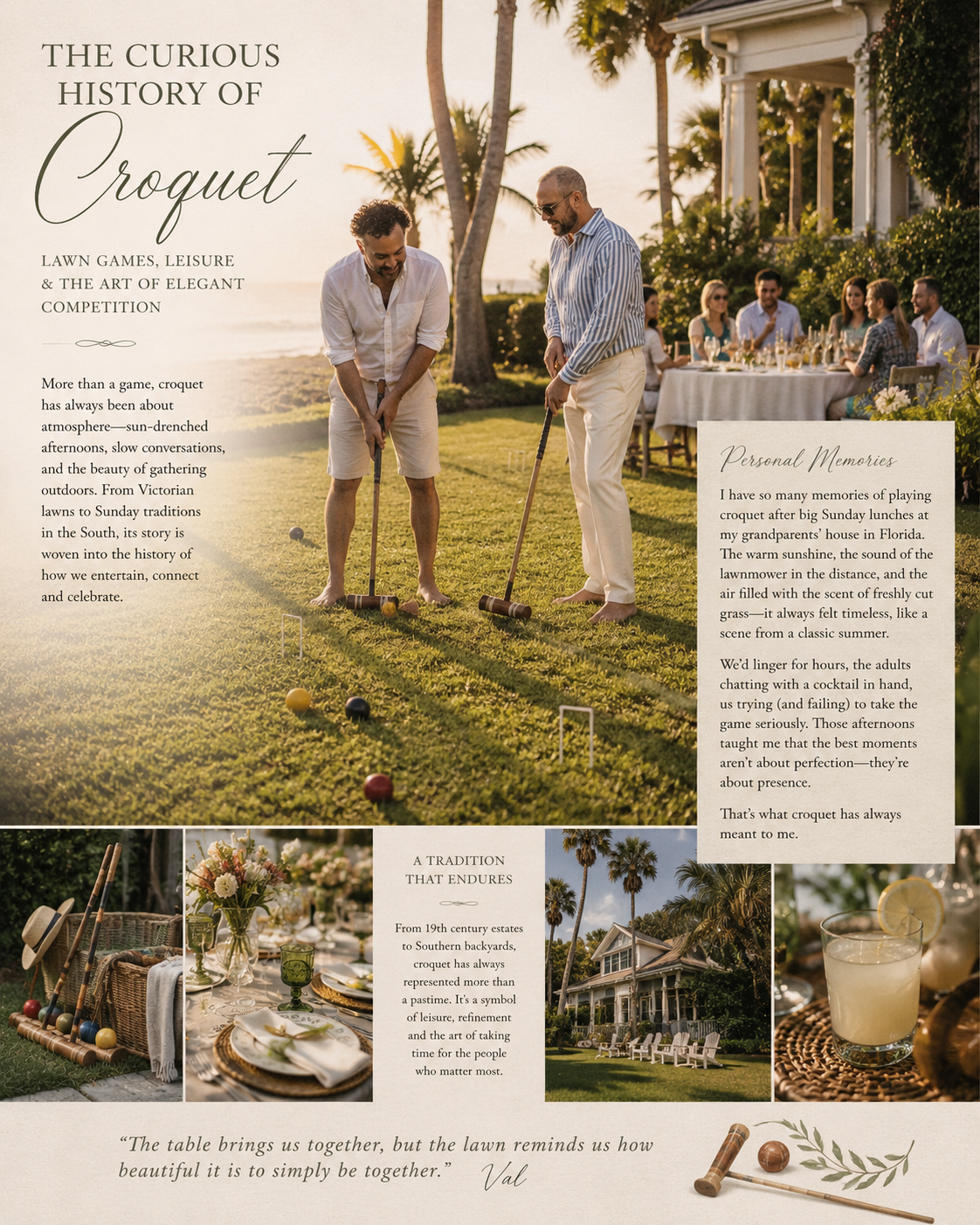
The Curious History of Croquet: Lawn Games, Leisure & the Art of Elegant Competition
by val white
There are certain activities that instantly evoke a particular kind of world. A striped umbrella fluttering in warm wind. A glass sweating beside a pitcher of lemonade. White linen against green grass. Family wandering slowly across a lawn with cocktails in hand while someone casually explains the rules to a game no one is taking quite seriously enough.
Croquet belongs to that world.
And while it’s often remembered now as a charming visual detail in old films or garden parties, the history of croquet is surprisingly rich — woven deeply into ideas of leisure, society, fashion, and outdoor entertaining. In many ways, croquet wasn’t simply a game. It was a lifestyle signal.
But for me, croquet has never felt like something distant or historical. It feels personal.
Some of my earliest memories involve big Sunday lunches at my grandparents’ house in Florida. The kind of lunches that stretched until the sun went down. Adults lingering at the table long after dessert. Ice clinking in glasses (after, of course, someone made a mad dash to refill the ice bucket). Ceiling fans turning slowly while someone carried another platter outside.
Eventually, someone (usually my Papa) would pull the croquet set out into the yard.
The wickets were never perfectly lined up. The grass was uneven. Nobody fully agreed on the rules. And yet somehow, those afternoons felt elegant to me. Not because they were formal, simply because they were intentional. There was something beautiful about people taking time simply to gather outdoors together. No rush. No performance. Just family, sunlight, conversation, and the soft sound of wooden mallets knocking against painted balls in the grass.
Looking back now, I realize those afternoons shaped much of what I still associate with luxury today. Not extravagance. Atmosphere.
Where Croquet Began
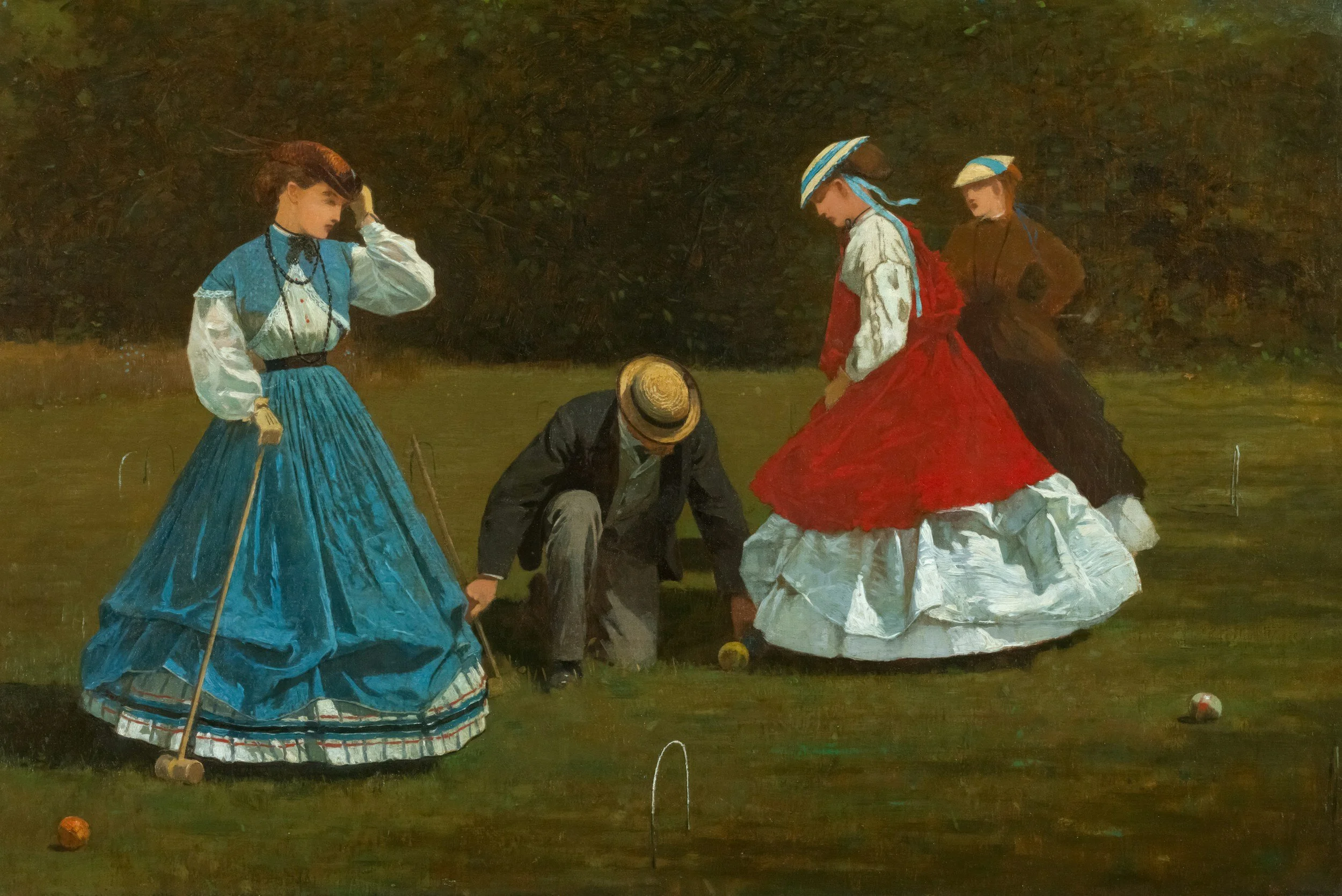
Modern croquet is believed to have originated in the mid-19th century, inspired by earlier lawn games played in France and Ireland. By the 1850s, the game had spread rapidly throughout England where it became wildly fashionable among upper and middle-class society. Part of its popularity came from timing. Victorian culture was obsessed with manners, social ritual, and structured leisure. Public parks were expanding. Gardens became status symbols. Lawn culture itself was becoming aspirational.
And croquet fit perfectly into that world.
Unlike more aggressive sports of the era, croquet encouraged conversation as much as competition. Players could socialize while participating, which made it especially appealing during outdoor gatherings and estate entertaining. It was elegant without requiring athleticism. Competitive without appearing uncivilized. Essentially: the ideal Victorian pastime.
The Game That Changed Social Etiquette
Interestingly, croquet also became socially significant because it allowed men and women to interact more freely in public settings.
At a time when social rules between genders were still extremely rigid, croquet lawns offered a rare kind of acceptable mingling. Young people could speak, laugh, strategize, flirt, and move about together outdoors under the socially respectable guise of “sport.” Which means, historically speaking, croquet may have quietly facilitated an extraordinary amount of courtship.
Honestly? Good for croquet.
Why Everyone Wore White
The association between croquet and white clothing wasn’t accidental. White attire symbolized leisure.
If you wore white outdoors in the 19th century, it implied you were not performing physical labor. It suggested refinement, wealth, and ease. Over time, lawn games like croquet and tennis developed their own visual language built around crisp whites, lightweight fabrics, straw hats, parasols, and polished summer dressing. Even today, there’s something timeless about the image: green grass, pale clothing, warm sunlight. It still communicates a certain kind of aspirational calm.
And truthfully, I think that visual language stayed with me from childhood too. There was something about seeing adults gathered outdoors in linen shirts and sunglasses after Sunday lunch that made ordinary life feel cinematic. That feeling never fully left me.
Croquet in the American South
Croquet found a natural home in the American South, particularly among historic homes, garden societies, and country clubs where entertaining outdoors became deeply tied to cultural identity. Large lawns, shaded verandas, and long social evenings created the perfect environment for leisurely outdoor games. And unlike trendier recreational fads that came and went, croquet maintained an almost literary quality. It became associated less with competition and more with atmosphere.
The game itself mattered. But the setting mattered even more.
The Return of Lawn Culture
Perhaps that’s why croquet feels appealing again now. People are craving slower forms of gathering.
Dinner parties, garden cocktails, outdoor entertaining; Analog pleasures. Moments that feel tactile and real instead of entirely digital.
Croquet belongs beautifully to that renewed longing for presence and ceremony. Not because anyone is desperate to become a professional croquet player. But because the game represents something larger: the art of lingering. The art of gathering outdoors simply because the weather is beautiful and the company is good.
How to Host a Croquet Afternoon
You don’t need an English estate to create the feeling.
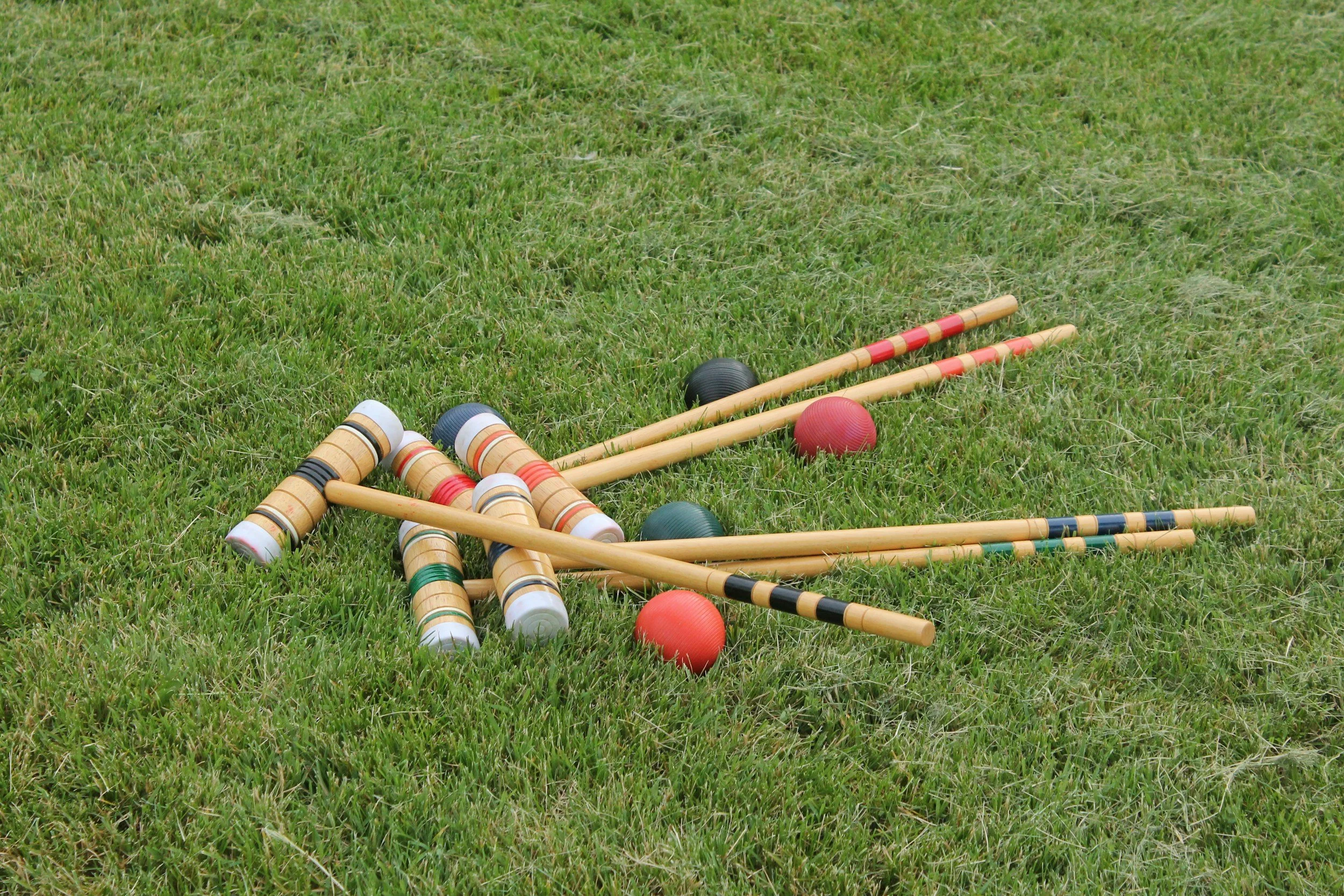
All you really need is:
a patch of grass
relaxed summer clothing
cold drinks
light music
simple food
and people willing to enjoy themselves slowly
The secret is not perfection. It’s atmosphere. Because croquet, at its best, isn’t really about winning at all.
It’s about creating the kind of afternoon people remember years later with startling clarity: the sunlight, the laughter, the sound of glasses clinking somewhere beyond the lawn, and the feeling that for a few hours at least, time had agreed to slow down.
